Try Hard Font: Sporty Display Type for Crafts
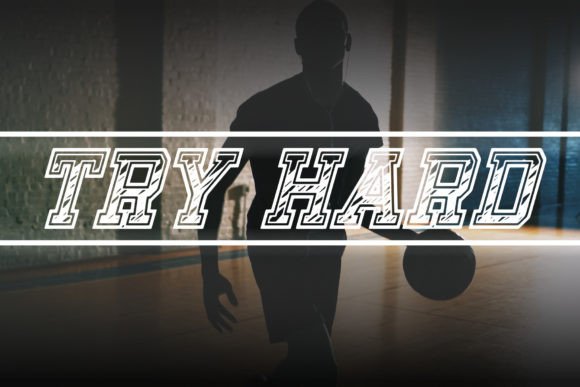
As a maker and small business owner, finding the right typeface is often about balancing personality with production reality. We need fonts that look incredible on a screen but also perform flawlessly when cut from vinyl, printed on textured cardstock, or embroidered onto fabric. The Try Hard font hits this specific sweet spot for crafters and digital designers. It is a cool, sporty display font that brings an energetic yet polished aesthetic to handmade goods. Unlike overly distressed grunge fonts that can be difficult to weed, or delicate scripts that tear during application, Try Hard offers bold, confident letterforms that maintain their integrity across various mediums. Whether you are designing merchandise for an Etsy shop, creating custom wedding signage, or building a cohesive brand identity for physical products, this typeface provides the visual impact necessary to make your work stand out.
Elevating Handmade Labels and Product Packaging
Product packaging is often the first physical touchpoint a customer has with your brand, and typography plays a massive role in perceived value. Try Hard excels in this arena because of its sturdy construction and modern vibe. For candle makers, soap artisans, or boutique clothing sellers, this font reads clearly even at smaller sizes on jar labels or hang tags. Its sporty character suggests durability and quality, making it particularly effective for active lifestyle brands, men’s grooming products, or unisex apparel lines.
When designing packaging, consider how the weight of Try Hard interacts with your background colors. Because it is a display font with substantial presence, it creates excellent contrast against kraft paper, matte black boxes, or clear glass. This readability is crucial for compliance labels where ingredients or safety warnings must be legible, but you still want the product name to pop. I have found that using this typeface for primary product names while keeping secondary information in a simple sans serif creates a professional hierarchy that looks intentional rather than cluttered. It transforms a basic sticker into a premium branding asset that customers want to keep.
Vinyl Cutting and Physical Craft Applications
For those of us who live by our Cricut or Silhouette machines, the geometry of a font matters just as much as its style. Intricate serifs and thin connectors are the enemy of efficient weeding and durable application. Try Hard is designed with crafting practicality in mind. The letterforms are robust enough to withstand the cutting process without fracturing, yet they retain enough stylistic flair to avoid looking generic. This makes it an ideal choice for t-shirt designs, tote bags, and tumblers where the vinyl needs to adhere smoothly without lifting edges.
Beyond adhesive vinyl, this font translates beautifully to other physical techniques. If you are doing heat transfer vinyl (HTV) on garments, the bold strokes of Try Hard press evenly and resist peeling after washing. For wood burning or laser engraving projects, the consistent stroke width ensures that the burn depth remains uniform, resulting in crisp, readable text on cutting boards, signs, or leather goods. Even for stencil work, the open counters and distinct shapes prevent paint bleed, ensuring your farmhouse signs or organizational bins look sharp and professional. It is rare to find a display font that feels this purposeful for hands-on creation.
Digital Printables and Stationery Design
In the realm of digital downloads and printable stationery, versatility is key to maximizing sales. Try Hard bridges the gap between playful and sophisticated, allowing it to serve multiple niches within a single shop. For party supplies, it adds a fun, dynamic energy to birthday banners, cupcake toppers, and favor tags without skewing too juvenile. This means you can use the same font family for a teen’s graduation party kit and a dad’s Father’s Day card, expanding your product catalog efficiently.
For wall art creators, this typeface works exceptionally well in typographic prints. Motivational quotes, nursery rules, and kitchen conversion charts benefit from its clean lines and assertive tone. When selling editable templates on platforms like Canva or Corjl, including Try Hard gives your customers a high-value asset they cannot easily replicate with free system fonts. It elevates the perceived quality of your digital offerings. Just ensure you test your mockups thoroughly; because this font has such strong personality, it should be showcased in context so buyers understand exactly how it enhances their own projects.
Strategic Font Pairing for Professional Results
While Try Hard is stunning on its own, knowing how to pair it amplifies its commercial potential. As a bold display font, it naturally takes center stage, so your supporting typefaces should provide balance rather than competition. For a classic handmade look, pair it with a flowing script font. The contrast between the structured, sporty caps of Try Hard and the organic curves of a handwritten font creates visual tension that is incredibly appealing on wedding welcome boards and formal invitations.
Alternatively, for a more modern or minimalist aesthetic, combine it with a clean, geometric sans serif or a traditional serif font. Use Try Hard for the headline or main focal point, and reserve the secondary font for body copy, dates, or subheadings. This combination is particularly effective for social media graphics and web design, where readability at small sizes is paramount. Avoid pairing it with other heavy display fonts, as this can create visual noise and reduce legibility. Remember, in product design, negative space is just as important as the letters themselves. Let Try Hard breathe by giving it ample margin, especially on busy backgrounds like patterned paper or textured fabrics.
Technical Considerations and Licensing for Sellers
Before incorporating any new typeface into your business workflow, always verify the technical specifications and licensing terms. Check if the Try Hard download includes multiple weights or styles, as having a light and bold version offers significantly more design flexibility. Look for OpenType features like ligatures or alternates that can add unique customization to logos and monograms without requiring additional software skills. Also, confirm multilingual support if you plan to sell internationally or create bilingual products, as missing characters can ruin an otherwise perfect design.
Most importantly, understand the commercial licensing requirements. Using a font for personal crafts is different from selling products featuring that font. Ensure your license covers the specific end-use, whether that is physical merchandise, digital templates, or client work. Some licenses differentiate between selling finished goods versus selling editable files where the customer accesses the font directly. Respecting these terms protects your business and supports the type designer. When used correctly and legally, Try Hard becomes more than just a pretty set of letters; it becomes a reliable tool in your creative arsenal that helps build brand recognition, streamline production, and ultimately drive sales through superior design.